Buying Guides
316L vs 304L Chainmail Gloves: Does the Grade Matter?
The difference is corrosion resistance: the molybdenum in 316L resists chloride pitting better than 304L. Check the grade against your working environment and your specification.
The main difference is corrosion resistance. The molybdenum in 316L gives it an advantage over 304L against chloride-related pitting. For a chainmail glove buyer, that makes the grade worth checking against the working environment and the material specified in the order.
The grade does not change what the glove protects against, and it does not change the fit. It changes how the steel stands up to salt, brine and cleaning chemicals over time.
This guide shows you what changes between the grades, when the difference affects an order, why a magnet cannot settle it, and what to check on the finished glove as well as the steel. Read it before you compare two offers by price, because the cheaper offer may simply be the cheaper steel.
What Changes Between 304L and 316L?
Both are low-carbon austenitic stainless steels. The steelmaker Outokumpu describes 304L as a chromium-nickel grade and 316L as a chromium-nickel-molybdenum grade. The "L" means low carbon in both names. It is not a glove protection level, and it does not rank one glove above another on its own.
The standard composition tells the story in numbers. 304L is typically about 18 to 20 percent chromium and 8 to 12 percent nickel, with carbon at or below 0.03 percent.
316L is typically about 16 to 18 percent chromium, 10 to 14 percent nickel, and 2 to 3 percent molybdenum, with the same low carbon limit. The chromium and nickel are close. The molybdenum is the difference, and it is present only in the 316L.
The practical reason to discuss molybdenum is corrosion. Grade-selection guidance from the Australian Stainless Steel Development Association explains the 316 family's advantage over 304 against pitting in chloride environments. Chlorides come from salt water, brine, some foods and some cleaning chemicals, and pitting is the localised attack that starts at a point and works inward.
That is a material comparison, not a guarantee that a finished glove will resist every salt solution or cleaning chemical. The environment and the exposure decide what the advantage is worth.
The low carbon matters for a different reason. The "L" grades keep carbon low so the steel keeps its corrosion resistance after welding and forming, and chainmail rings are formed from wire. The letter is part of the steel name, not a marketing mark, and a glove described only as "stainless steel" has not named its grade at all.
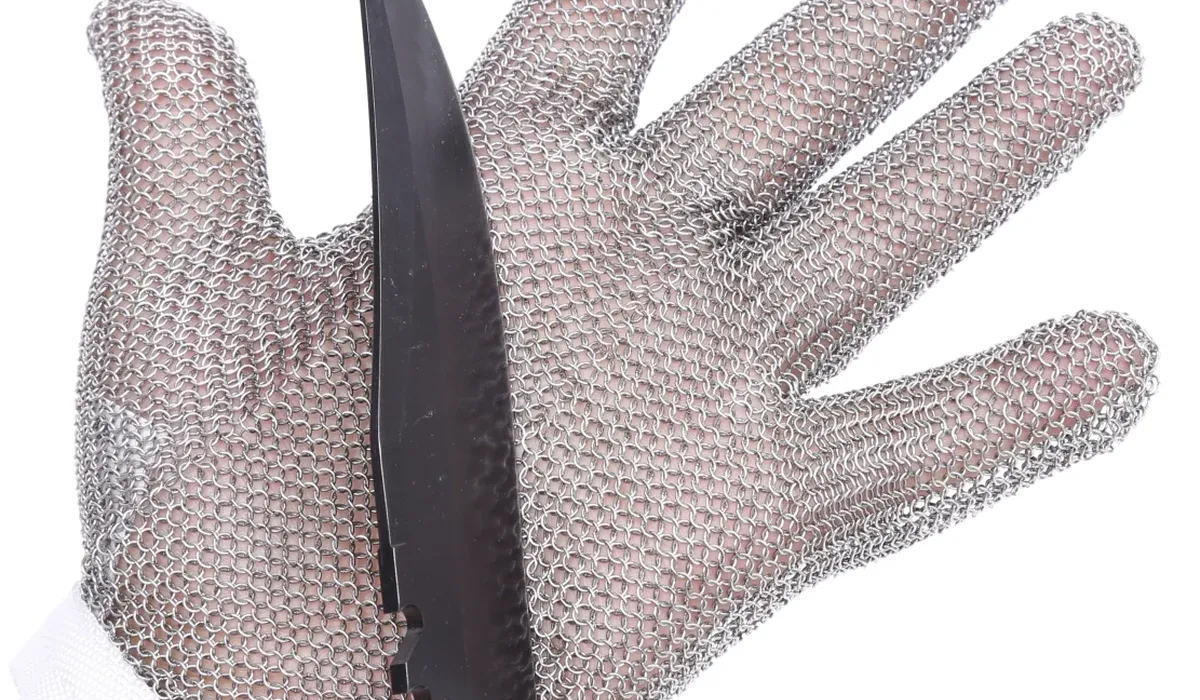
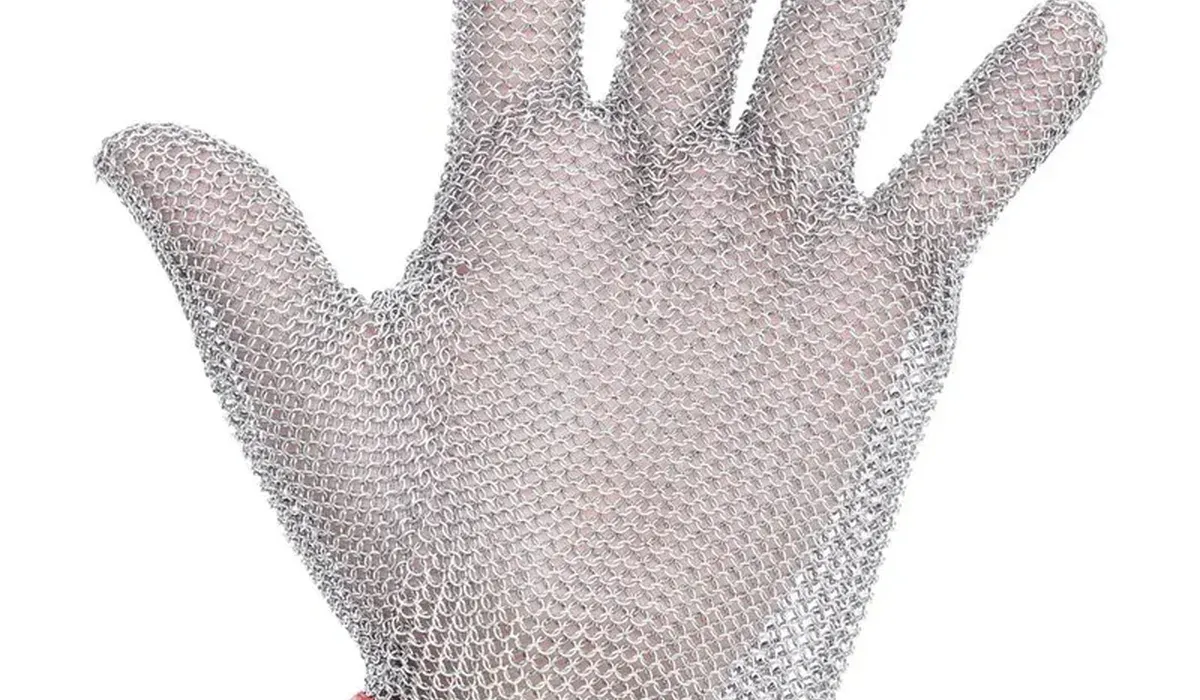
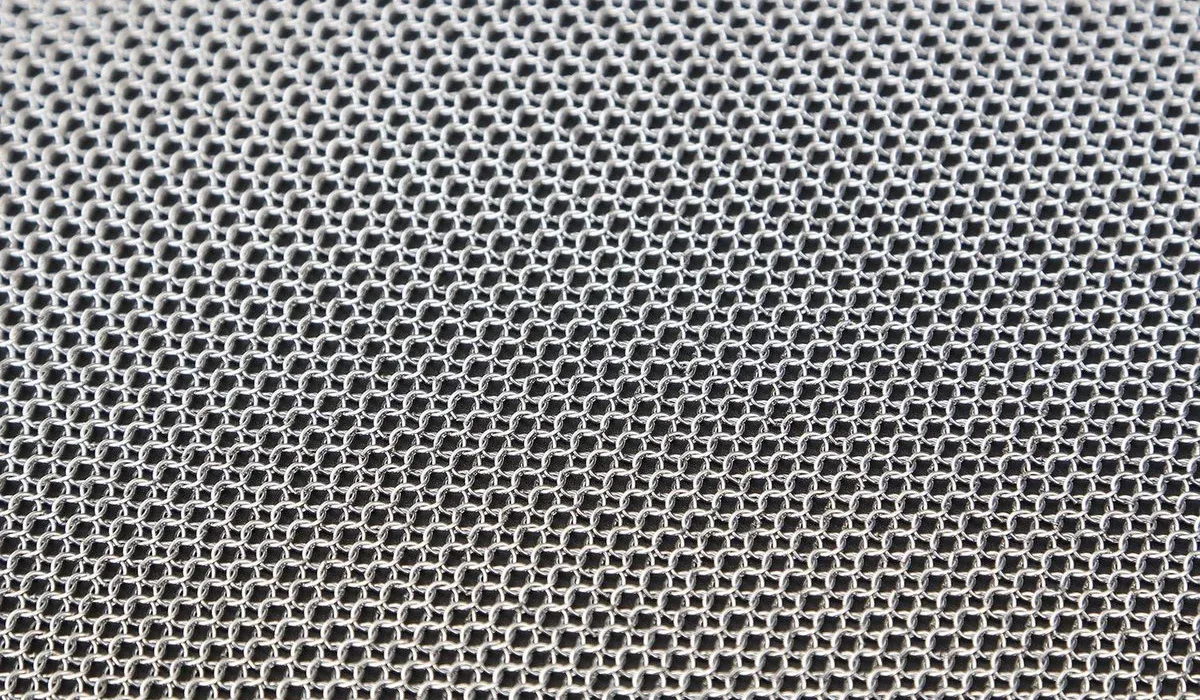
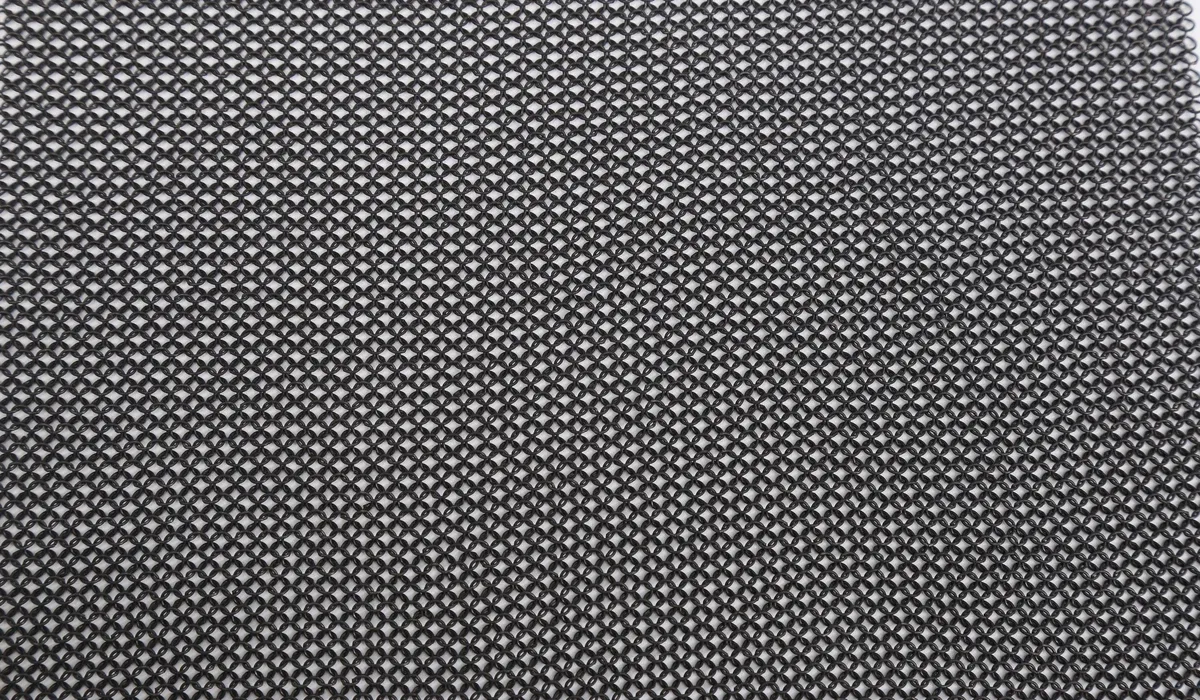
The rings themselves are the same shape either way. Our gloves use AISI 316L stainless steel rings, 3.81 mm across, linked into a mesh with 0.52 mm wire.
A 304L glove would look the same in a photograph, feel the same in the hand, and weigh the same on a scale. The difference is in the steel, not in the appearance, and that is why the grade has to be stated in writing rather than judged by looking.
When Does the Grade Affect an Order?
If a purchasing specification calls for 316L, a 304L proposal changes the material requirement, even when the gloves look alike. The two offers are no longer for the same product, and comparing them by price alone compares two different materials.
Ask the supplier to state the grade for the proposed product so the two offers can be compared on the same basis.
If the requirement simply says "stainless steel", clarify it before comparing prices. A specification that names no grade has not finished the material decision, and the cheapest offer may be the one that named the cheaper steel. Clarifying the grade first is cheaper than discovering the difference after the gloves arrive.
The working environment decides how much the difference matters. A seafood task involving brine raises a different material discussion from a task with no salt exposure, because brine brings the chlorides that 316L resists better.
A glass-handling task with no salt and mild cleaning may never test the difference at all. Share the actual exposure and cleaning conditions with the supplier. The grade name alone cannot establish suitability for that process.
A more corrosion-resistant grade also does not remove the need for routine care. Follow the glove's instructions, including any limits on the cleaning method, rather than borrowing a cleaning procedure from a stainless steel equipment guide.
Wash the glove at least once a day in 50 °C soapy water, dry it fully, and store it in a cool, ventilated place. The grade helps the steel last. It does not wash the glove.
The grade also does not change the certificate. Our gloves are certified model by model under EN 1082-1: the 5201, the 1201 series, the 5301 and the 1301 series under certificate 2777/26322-01 to 2029-10-24, and the 5101 under certificate 2777/12679-02 to 2029-04-26.
The 1101, the 3101 and 3201 three-finger gloves, and both aprons hold no CE certificate, whatever grade their steel is. Check the certificate for the model, and check the grade for the steel. They are two different checks.
Can a Magnet Tell Them Apart?
A magnet alone cannot reliably identify the exact grade. Guidance on the magnetic effects of stainless steel explains that cold working can change the magnetic response of austenitic stainless steel, including wire.
Chainmail rings are formed from wire, so the forming itself can leave the steel slightly magnetic. Attraction to a magnet therefore needs context. It is not a substitute for grade confirmation.
The magnet test fails in both directions. A 316L glove can show some attraction after cold working, and a 304L glove can show little.
Neither reading names the grade, and a demonstration that one glove attracts a magnet more than another proves nothing about which grade either glove is. Do not accept a magnet demonstration as material evidence, and do not offer one as proof.
When a contract requires material evidence, ask what information is available for the proposed product. A material certificate, a mill certificate or a test report names the grade in writing, and that is the evidence a specification can check.
A photograph, a shiny surface or a simple magnet demonstration is not enough to settle a grade dispute, because none of them names the grade.
If the supplier cannot produce written grade evidence, that is itself an answer. It does not prove the grade is wrong, but it proves the grade cannot be checked, and a specification that calls for 316L cannot be confirmed without it. Put that in front of your purchasing team before you order, not after the goods arrive.
Check the Finished Glove as Well as the Steel
The material designation does not establish a chainmail glove's knife-protection performance, food-contact suitability or fit. A glove made from the right steel can still be the wrong glove, and a glove made from the wrong steel can still look right.
Review the actual model and its product documents, then check the sample's finger movement, wrist closure and coverage for the task.
Start with the model. The 5201 closes with a steel hook, the 5101 with an adjustable textile strap, and the 5301 with a plastic snap strap, in white or orange.
The closures feel different on a real shift, and the closure is the part your hand meets every time you put the glove on. The grade does not decide between them. Try the closure you plan to buy.
Then check the size. Commercial sizes run XXS to XXL, but CE coverage runs only to XL, so an XXL glove is not covered by the current CE certificates.
Check the size the same way you check the model: on the certificate, not on the shop page. A glove that fits the hand but not the size range on the certificate is a glove your compliance team cannot accept.
Then check the food-contact evidence for the actual product. Our 316L stainless steel passed SGS food-contact testing, FDA and LFGB, in 2024, at material level.
That is a test result, not an approval from the FDA, and we will not call it anything more. The steel grade and the food-contact result are two different pieces of evidence, and both belong in front of your inspector.
Steelora lists AISI 316L stainless steel for its chainmail gloves. When discussing five-finger glove options, share the material clause from your specification, the cutting task and the cleaning products used on site.
If your specification requires a different grade, identify it in the enquiry so availability can be checked for that requirement. A grade named late is a grade that delays the order.
Your Next Step: Put the Grade in Your Enquiry
Write down three things before you ask for a quote. The grade your specification calls for, in the specification's own words. The exposure the glove will meet: brine, salt water, cleaning chemicals, or none of these. The model and size you want, and whether your customer or inspector needs grade evidence with the order.
Those three lines decide whether the grade matters for your order, and they are enough for us to confirm the match without a second round of questions. Send them to sales@steeloramesh.com, and we will confirm the grade and the model, list any evidence still missing, and reply within 1 working day.
Enquiry checklist
The grade your specification calls for, quoted as written.
The exposure: brine, salt water, cleaning chemicals, or none.
Glove model, size and closure type.
Whether grade evidence is needed with the order.